
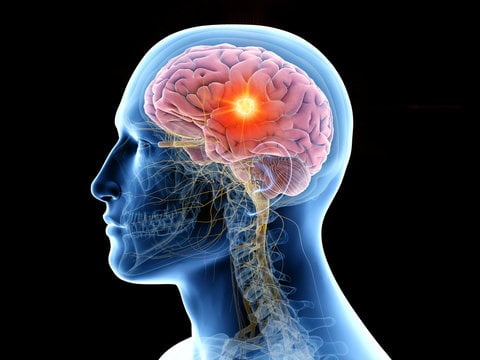
Obsessive-Compulsive Disorder (OCD) is a chronic mental health condition characterized by intrusive thoughts (obsessions) and repetitive behaviors (compulsions). While the exact cause of OCD is not fully understood, research has identified several brain regions that play a critical role in the development and manifestation of this disorder. Understanding these brain regions can provide insights into potential treatments, including innovative approaches like ketamine therapy.
The Cortico-Striato-Thalamo-Cortical (CSTC) Circuit
The cortico-striato-thalamo-cortical (CSTC) circuit is believed to be central to the pathophysiology of OCD. This circuit involves multiple brain regions, including the orbitofrontal cortex (OFC), anterior cingulate cortex (ACC), striatum (particularly the caudate nucleus), and thalamus. The CSTC circuit is responsible for regulating and controlling repetitive behaviors and thoughts.
Orbitofrontal Cortex (OFC): The OFC is involved in decision-making and evaluating the consequences of actions. In individuals with OCD, this region shows hyperactivity, leading to excessive worry and the overestimation of threats.
Anterior Cingulate Cortex (ACC): The ACC plays a role in emotion regulation, error detection, and response selection. Increased activity in the ACC is associated with the heightened sense of error and need for correction seen in OCD patients.
Striatum: The striatum, particularly the caudate nucleus, is involved in habit formation and action initiation. Dysfunction in this area can lead to the repetitive behaviors characteristic of OCD.
Thalamus: The thalamus acts as a relay station for sensory and motor signals. In OCD, altered thalamic activity may contribute to the constant checking and repetitive actions.
The Role of Neurotransmitters
Neurotransmitters such as serotonin, dopamine, and glutamate also play crucial roles in OCD. Imbalances in these chemicals can affect communication between the brain regions within the CSTC circuit. Serotonin, in particular, has been extensively studied in OCD, leading to the development of selective serotonin reuptake inhibitors (SSRIs) as a common treatment option.
However, traditional treatments like SSRIs do not work for all patients, highlighting the need for alternative approaches that target different aspects of the disorder. This is where ketamine therapy shows promise.
Ketamine Therapy and Its Impact on the Brain
Ketamine, an NMDA receptor antagonist, has been shown to have rapid-acting antidepressant and anti-anxiety effects. Its unique mechanism of action allows it to target different parts of the brain involved in OCD, potentially providing relief where traditional treatments fail.
Modulation of Glutamate: Ketamine primarily acts on the glutamate system, the most abundant excitatory neurotransmitter in the brain. By blocking NMDA receptors, ketamine reduces excessive glutamate activity, which can help normalize the hyperactivity seen in the CSTC circuit.
Neuroplasticity: Ketamine has been found to promote synaptic plasticity, the brain’s ability to form new neural connections. This can help rewire the dysfunctional neural pathways associated with OCD, potentially reducing symptoms.
Rapid Onset of Action: Unlike SSRIs, which can take weeks to show effects, ketamine can provide rapid relief from OCD symptoms. This makes it a valuable option for patients who need immediate intervention.
How Ketamine Therapy Helps with OCD
Ketamine therapy can be particularly effective for individuals with treatment-resistant OCD. By targeting the glutamate system and enhancing neuroplasticity, ketamine can disrupt the maladaptive neural circuits responsible for obsessive thoughts and compulsive behaviors.
At Nepenthe Wellness Center, ketamine therapy is tailored to the needs of each patient. The treatment involves administering ketamine in a controlled, clinical setting, ensuring safety and maximizing therapeutic benefits. Patients typically receive a series of infusions over several weeks, followed by maintenance sessions as needed.
In addition to its direct effects on brain chemistry, ketamine therapy can also help patients achieve a mental state conducive to therapy and self-reflection. This can enhance the effectiveness of cognitive-behavioral therapy (CBT) and other psychological interventions, providing a comprehensive approach to managing OCD.
Conclusion: Transformative Potential of Ketamine Therapy
Understanding the brain regions involved in OCD, particularly the CSTC circuit, provides valuable insights into the disorder and its treatment. While traditional therapies like SSRIs have their place, innovative treatments like ketamine therapy offer new hope for patients, especially those with treatment-resistant OCD. By targeting different parts of the brain and promoting neuroplasticity, ketamine can provide rapid and effective relief from OCD symptoms.
If you or a loved one is struggling with OCD and traditional treatments have not been effective, consider exploring ketamine therapy at Nepenthe Wellness Center. Our experienced team is dedicated to providing personalized, compassionate care to help you achieve better mental health. Visit Nepenthe Wellness Center to learn more about how ketamine therapy can make a difference in your life.